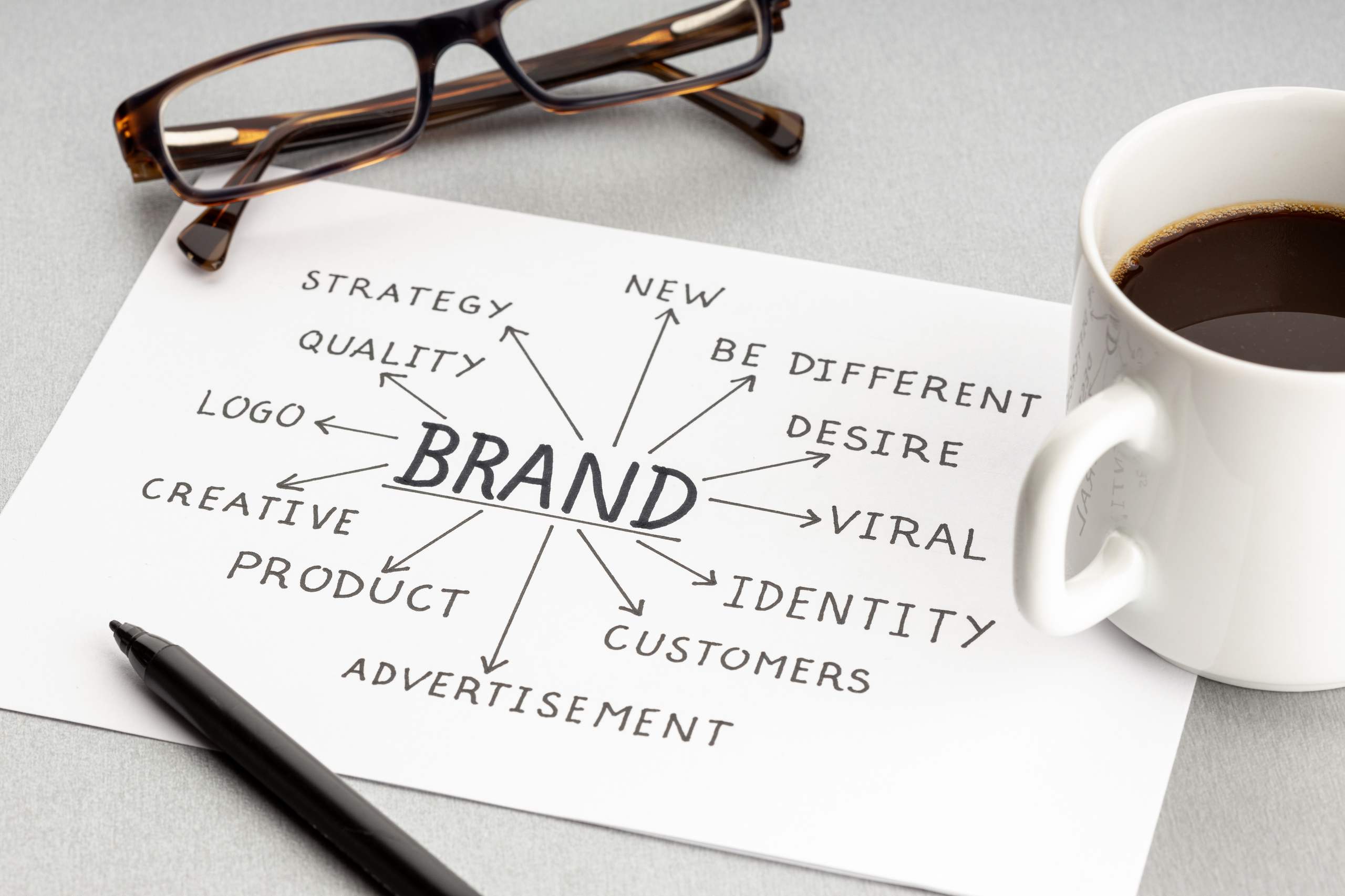
While a logo, a color palette, or an ad campaign may come to mind when we think of branding, it’s only part of the story. Brands only really come into focus when visual identities are translated into physical products that people can see, touch, use, and recall. That’s how brand recognition is built.
What’s A Brand Identity?
A brand identity is the visual and emotional language that a brand uses to communicate its presence. It includes a logo, typography, colors, imagery, tone of voice, and other design standards.
But a brand identity is only a strong one if it can be applied effectively and appropriately across a variety of different contexts. A logo may look fine on a digital device but to achieve a complete brand you need to go beyond digital design.
Why Is Physical Product Design Important for Branding?
A physical product creates an emotional connection that doesn’t usually exist between a brand and a person through digital media. A physical product, such as packaging, notebooks, T-shirts, promotional items, and other branded products are the vehicles that deliver the brand identity. Every time someone interacts with a branded product, they learn a little bit more about that brand and get more familiar with it. The more people see consistent visual elements, the easier it is to recognize and remember the brand.
Applying Design To Products
When we apply a brand identity to a physical product, it takes on a new life. The way in which we apply that design to the product is key. We don’t simply take the brand identity design and place it onto any physical product that we can think of. For example, design that looks good on packaging may not work so well for a T-shirt. In branded product design, the goal is to translate design to a product while keeping the integrity of the brand in mind, and respecting and working within the requirements of the product.
Function and Design Have To Go Hand in Hand
Sometimes, designers focus too much on making a product look pretty without thinking about how people will interact with the physical product. The best brands create products that serve a practical purpose while maintaining strong design. When people use and keep a product with strong branding, it’s an effective way to build awareness over time.
Creating an Ecosystem
The most successful brands don’t have just one physical product. They create a number of physical products that fit together and can work together to communicate the brand identity. Packaging, promotional items, retail fixtures, merchandise, and all the other ways that the brand interacts with the world should create a strong, unified brand experience for the consumer. All the visual elements come together, creating a more recognizable brand in the world.
Design Has To Account for Production
There’s a lot to consider when creating a brand, and one of the more overlooked aspects is production. Designers need to think about how things will actually get produced. We need to know what the options are for different production techniques, how they work and what they do. Designing branded product means working with the manufacturer so that the design works within the practical limits and capabilities.
Final Thoughts
Brand identity is what we think of it, but branded product is when the brand comes out of your mind and enters into the real world. A great product design is the intersection between the identity of the brand and the product itself and helps the customer understand, engage with and remember what the brand is and what it stands for.