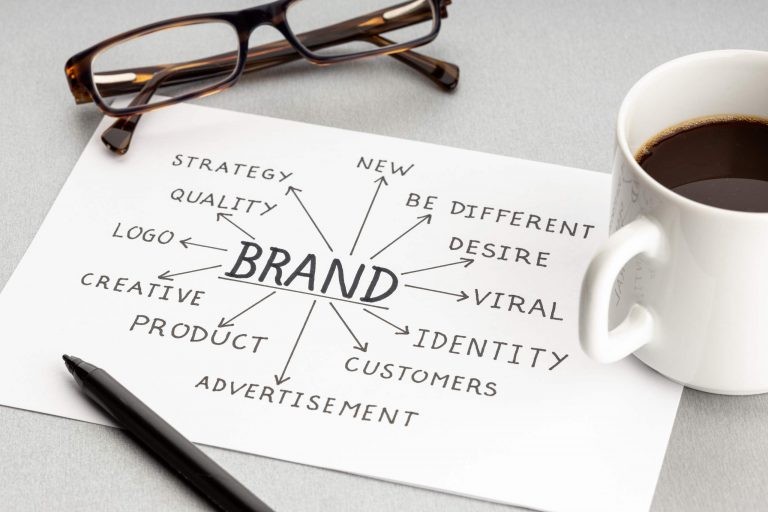

In today’s consumer world, brands are everywhere. We are surrounded by brands in print media, on billboards, in online ads, on product shelves in stores, in television commercials, and on the actual goods themselves. But why do some brands leave a lasting impression on people while others seem to fade into the background? The answer lies in the psychology of branding. Successful branded products are carefully designed to stand out and be easily remembered, not just for their visual appeal but also for the positive associations they create in consumers’ minds.
First Impressions Count
Humans are visual creatures who form their opinions of products based primarily on first impressions. When people see a product for the first time, they instantly judge it based on its color scheme, design, packaging, and overall look. These initial impressions can determine whether they will continue to interact with that brand or turn to a different competitor. This is why it’s so essential for branded products to be designed to capture people’s attention right away and make a strong first impression.
Recognition is Key
The more often people see a brand, the more familiar and recognizable it becomes. This is known as the mere-exposure effect, which states that people tend to develop a preference for things simply because they are familiar with them. Branded products take advantage of this by ensuring that customers see the same logo, color scheme, and design elements repeatedly across multiple touchpoints, like website designs, social media posts, and physical products. By doing so, brands are able to embed their name and visual identity in people’s minds, making it easier for them to recognize and recall the brand when it comes time to make a purchase decision.
The Role of Emotion
Humans are also emotional creatures, and our decisions are frequently influenced by how we feel rather than what we think. The better a branded product makes people feel, the more likely they are to remember it and choose it over a competitor’s offerings. This is why brands invest heavily in crafting products that evoke positive emotions, such as a sense of joy, happiness, or satisfaction. Branded products that are well-designed and create positive associations with a particular brand are far more memorable and effective at driving sales.
The Impact of Physical Products
Unlike digital ads and other forms of online marketing, physical branded products remain with the customer long after the initial point of purchase. Whether it’s a branded t-shirt that gets worn daily or a water bottle that gets carried around in a backpack, these products serve as constant reminders of the brand. This repeated exposure helps reinforce the brand’s message and values, making it more likely that people will remember and choose the brand the next time they need something similar.
The Power of Trust
Consumers are also more likely to trust brands that seem reliable, professional, and consistent. By creating branded products that look polished and well-thought-out, brands can establish credibility and trust with their customers. For instance, a customer who buys a branded notebook that has been professionally designed and features a strong brand identity is more likely to assume that the rest of the company’s products will be of similar quality and attention to detail. In this way, branded products act as a visual representation of a brand’s values and commitment to quality.
The Importance of Consistency
Finally, one of the most effective ways to make branded products more memorable is to create a consistent brand identity across all products. This means using the same colors, fonts, and design elements throughout all branded materials, from packaging to product labels to marketing materials. By maintaining a consistent look and feel, brands are able to establish a clear identity that is easy to recognize and remember. This consistency helps to build trust and reliability, making it easier for customers to remember the brand and choose it when making purchase decisions in the future.
In conclusion, the key to successful branded products lies in understanding the psychology of how people remember and perceive brands. By creating products that capture people’s attention, evoke positive emotions, and establish trust and reliability, brands can make themselves more memorable and stand out in an increasingly crowded marketplace. Whether it’s through strong visual branding, emotional design, or consistent messaging, branded products have the power to leave a lasting impression on customers and shape their perception of a brand for years to come.