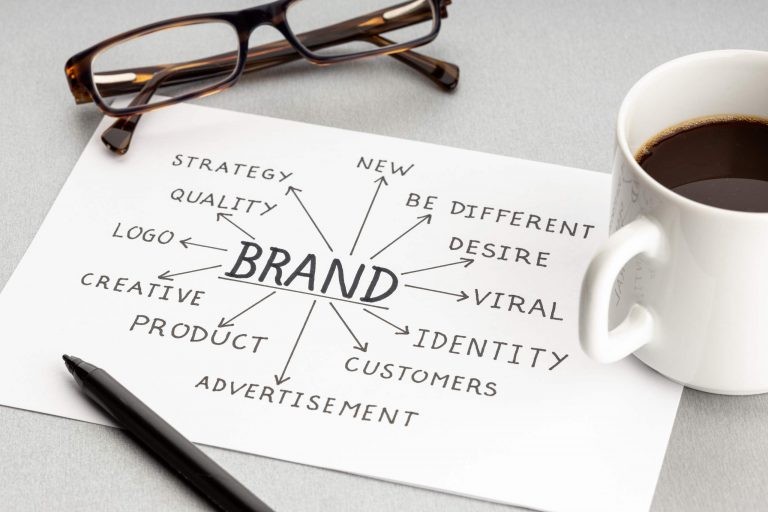

In the current marketplace, companies are actively seeking novel strategies to leave an indelible mark. While digital marketing, social media, and content creation are pivotal, an often underappreciated element serves to forge more profound and lasting connections: branded products. Meticulously crafted branded wares transcend their utilitarian function, serving as tangible manifestations of the brand itself.
Beyond Surface-Level Branding
While some might perceive branded items as mere vessels for logo placement, the reality is considerably more nuanced. These items act as ambassadors, communicating volumes about the parent company. Every aspect of the item’s construction, from materials to color palettes, packaging to features and overall form, plays a role in shaping consumer perception. A meticulously designed branded piece conveys a sense of professionalism, reliability and attention to detail.
Physical Presence and Real-World Impact
In contrast to the ephemeral nature of digital ads, branded products persist in our daily lives. Whether it’s a planner, water bottle, tote bag or packaging, these items have the potential to be used and noticed daily for extended periods.
This organic repeated exposure fortifies brand awareness. Every glimpse becomes a subtle reinforcement of the brand without seeming pushy or intrusive.
Consistency Breeds Confidence
A core objective of branded product design is consistency. Ideally, the consumer will intuitively link the product back to its parent brand. This familiar visual language fosters trust. When every product, package, and promotional item adheres to the same design philosophy, the brand emerges as cohesive and trustworthy. This visual alignment reassures customers, cultivating a feeling of reliability.
Functionality Meets Brand Expression
The most successful branded products manage to balance utility with visual coherence. If the product is beautiful but useless, it will end up collecting dust. If it serves a purpose but lacks visual distinctiveness, the marketing opportunity is missed. The crème de la crème of branded items strike both of these objectives, providing genuine utility and reinforcing brand messaging simultaneously.
Evoking Emotional Responses
We tend to remember the feeling an item evokes more than the specifics of its construction, which is why emotional design remains key to branding. The color, the textures, the experience of opening and the way the visuals speak to us shape our emotional reaction. When the brand is skillfully integrated into these elements, it elicits specific emotional responses, such as confidence, excitement, security or creativity.
The Bridge from Imagination to Object
While the creative vision is fundamental, the design process for branded products also encompasses production considerations. Designers must factor in manufacturing feasibility, material constraints, expenses and user experience to determine the final product. A designer must appreciate the full breadth of the production journey from concept to concrete product.
In Conclusion
Branded products are far more than marketing collateral; they are physical representations of a brand’s essence, ethos and personality. Each design decision ultimately molds the consumer’s interaction with the brand. When approached thoughtfully, branded merchandise serves as a vital conduit between visual branding and the physical world, forging enduring impressions well beyond the scope of traditional advertising.